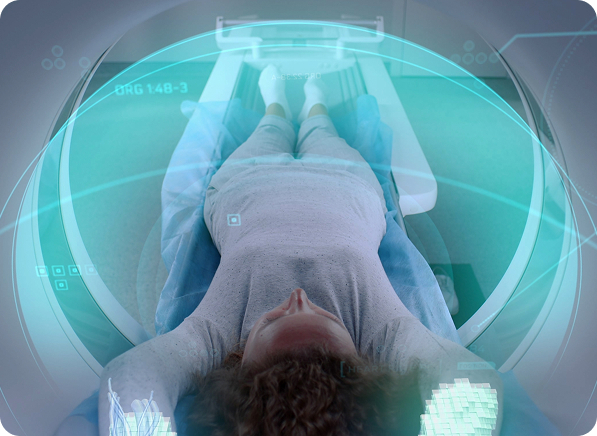





MRI Guided Prostate Biopsy with AI
MRI-guided prostate biopsy with AI combines cutting-edge imaging and machine learning technologies to improve cancer detection and patient outcomes.
What Is an MRI Guided Prostate Biopsy with AI?
An MRI-guided prostate biopsy with AI uses advanced imaging and artificial intelligence to precisely target and diagnose areas of concern in the prostate.
Overview of Traditional Prostate Biopsy
A traditional prostate biopsy often relies on transrectal ultrasound (TRUS) to guide needle placement. This method uses a systematic sampling approach, which can miss smaller or hard-to-reach tumors. While effective in some cases, it can lead to unnecessary biopsies or incomplete diagnoses.
How MRI Technology Improves Precision
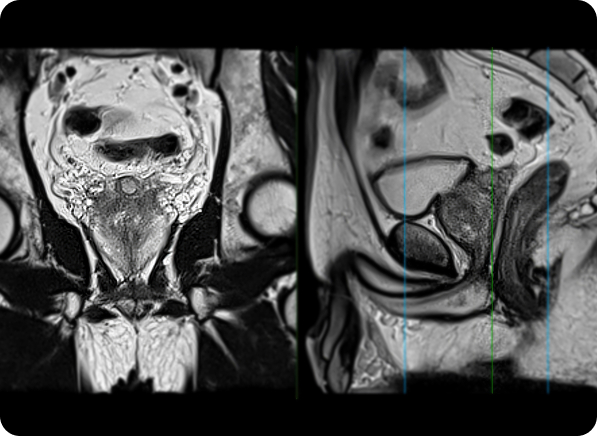
MRI provides high-resolution images that reveal detailed prostate structures. By pinpointing suspicious areas with greater accuracy, it minimizes the likelihood of missing clinically significant cancers, leading to more targeted and reliable biopsies.
The Role of Artificial Intelligence in Prostate Imaging
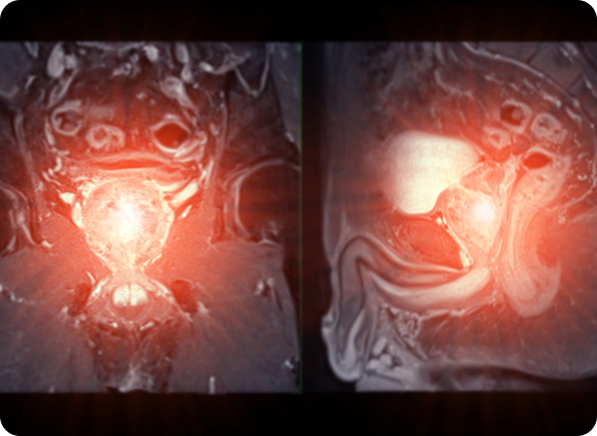
AI algorithms analyze MRI data to highlight abnormalities that could indicate cancer. These tools assist radiologists in interpreting images faster and with increased accuracy, reducing the potential for human error and improving diagnostic confidence.
Benefits of AI-Assisted MRI Prostate Biopsies
AI-assisted MRI-guided biopsies offer improved accuracy, reduced invasiveness, and streamlined diagnostic processes for prostate cancer detection.
Improved Accuracy in Cancer Detection
By analyzing imaging data in detail, AI helps identify cancerous lesions that might be undetectable through traditional methods. This precise targeting increases the chances of detecting clinically significant cancers early, potentially improving treatment outcomes.

Reduced Need for Unnecessary Biopsies
AI reduces the reliance on systematic sampling by identifying high-risk areas for biopsy. This limits the number of biopsies performed and spares patients from unnecessary discomfort, risks, and complications.

Faster, More Efficient Diagnostic Workflow
AI-driven tools automate aspects of image analysis, enabling radiologists to make quicker decisions. This efficiency not only speeds up the diagnostic process but also reduces the workload for healthcare providers.
How Bot Image, Inc. Enhances MRI Prostate Biopsies with AI
Bot Image, Inc. revolutionizes prostate imaging by providing advanced AI solutions that integrate seamlessly into clinical workflows.
Proprietary AI Algorithms for Prostate Imaging
Bot Image has developed unique AI algorithms specifically designed to analyze prostate MRI scans. These algorithms enhance the detection of cancerous lesions, offering unmatched accuracy and reliability in image interpretation.
Seamless Integration with Radiology Workflows
Bot Image’s technology integrates with existing radiology systems, ensuring a smooth transition for healthcare providers. This compatibility facilitates widespread adoption and real-time AI assistance during imaging procedures.
FDA-Cleared AI Technology for Clinical Use
Bot Image’s AI platform has earned FDA clearance, confirming its safety and efficacy. This regulatory approval underscores the company’s commitment to delivering trusted, clinically validated solutions.
Who Should Consider an MRI Guided Prostate Biopsy?
Patients with elevated prostate-specific antigen (PSA) levels or abnormal digital rectal exam (DRE) results should consider an AI-assisted MRI prostate biopsy for precise diagnostics.
Ideal Candidates for AI-Enhanced Diagnosis
Men with suspected prostate cancer based on non-invasive diagnostics, such as abnormal PSA levels, are ideal candidates. AI tools are particularly beneficial for those seeking more accurate results and personalized care.

When to Consider AI Imaging Over Traditional Methods
Patients with inconclusive results from traditional biopsies or a higher risk of significant cancer may benefit most. AI-enhanced MRI biopsies provide a clearer diagnosis, reducing the chances of overlooked malignancies.
MRI Guided Prostate Biopsy with AI vs Traditional Methods
AI-assisted MRI-guided biopsies offer superior accuracy, reduced invasiveness, and improved efficiency compared to traditional methods.
Comparison of Detection Rates
Studies indicate that AI-guided biopsies are more effective in identifying clinically significant prostate cancers. Unlike traditional biopsies, they minimize the chance of missing aggressive tumors, ensuring early and precise treatment.
Patient Comfort and Safety
MRI-guided biopsies are less invasive and more targeted, resulting in fewer needle insertions. This method reduces discomfort and lowers the risk of infection, making it a safer option for patients.
Time and Cost Efficiency
Although MRI-guided procedures involve advanced technology, AI streamlines the process by reducing analysis time. This efficiency can balance out the initial costs, making it a cost-effective solution in the long term.
Frequently Asked Questions About MRI Guided Prostate Biopsy with AI
How accurate is AI compared to a human radiologist?
AI can analyze prostate MRI scans with a level of detail and consistency that complements human expertise. While it doesn’t replace radiologists, AI serves as a critical aid by reducing human error and enhancing diagnostic precision, achieving results on par with—or sometimes better than—trained professionals.
Does insurance cover AI-assisted biopsies?
Coverage often depends on the patient’s insurance provider and the technology used during the biopsy. Many insurers are beginning to include AI-assisted diagnostics as part of their policies, especially for FDA-cleared technologies like those from Bot Image, Inc.
Contact Bot Image, Inc. to Learn More
Schedule a Consultation
Speak with our team to understand how AI-assisted MRI biopsies could work for you or your practice.
Explore Clinical Partnerships
Learn how Bot Image can enhance your clinical offerings with its cutting-edge AI solutions.
Access to Clinical Studies and Data
Access detailed clinical studies and data supporting the effectiveness of our innovations in prostate imaging.