Cancer Research and Detection Leveraging AI
The Impact of AI on Cancer Research and Early Detection
Artificial Intelligence (AI) is revolutionizing the field of oncology, bringing unprecedented advancements in research, early detection, and patient care. From analyzing vast datasets to improving diagnostic accuracy, AI is setting new standards in cancer research and detection, offering hope for more effective treatments and better outcomes.

The Role of AI in Modern Cancer Research
Cancer research has grown more complex as scientists work to integrate the latest technology into understanding this multifaceted disease. AI, with its ability to process enormous amounts of data, plays a pivotal role.
AI-Powered Advancements Across Oncology
AI has introduced groundbreaking capabilities, including the analysis of genomic data to identify mutations associated with specific cancers. For example, AI algorithms can parse through thousands of genetic sequences in record time, identifying patterns that contribute to precision medicine treatments. This accelerates drug discovery and ensures therapy is tailored to each patient’s unique biology.
How Machine Learning Enhances Cancer Diagnosis
Machine learning algorithms are improving the accuracy of cancer detection. By analyzing medical imaging, such as X-rays, CT scans, and MRIs, AI systems can identify abnormalities often missed by human eyes. This technology not only reduces diagnostic errors but also ensures timely identification of cancer, when treatments are most effective.
Benefits of AI in Early Detection and Prognosis
AI-driven systems allow for nuanced assessments of test results, spotting warning signs earlier than conventional methods. For instance, integrating AI into pathology enables the quick analysis of biopsy data, helping to predict the progression of diseases like prostate cancer and reducing late-stage diagnoses.

AI and Prostate Cancer: A New Era of Precision Medicine
Among cancer types, prostate cancer uniquely benefits from AI-driven approaches, particularly in early detection and precision care.
How AI Is Improving Prostate Cancer Diagnosis
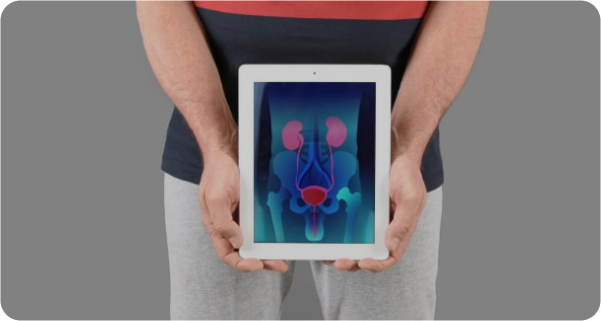
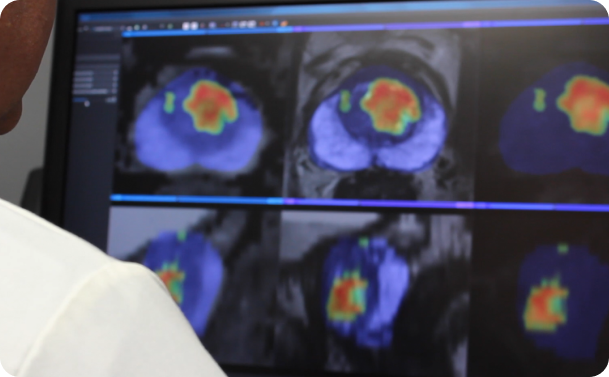
Artificial Intelligence has significantly improved imaging techniques like MRIs for prostate cancer detection. AI-powered tools analyze subtle differences in prostate tissues, delivering highly accurate results that distinguish between benign and malignant lesions.
Clinical Impact: From Biopsy Analysis to MRI Interpretation
AI revolutionizes the entire diagnostic process for prostate cancer. For biopsies, AI software can rapidly identify cancerous cells in tissue samples, reducing reliance on manual pathology. Meanwhile, for MRI interpretation, AI tools produce detailed, accurate reports that empower physicians to decide on the best course of treatment.
Bot Image™: Leading the Charge in AI Cancer Detection
Bot Image™ is spearheading innovative solutions in AI-driven cancer detection, offering tools specifically designed to improve prostate cancer diagnosis.
Our Mission in AI-Enhanced Imaging and Diagnosis
Bot Image™ is committed to transforming cancer care by delivering AI software that enhances diagnostic precision. We believe in leveraging AI’s potential to provide more accurate, timely, and actionable insights to improve patient outcomes.
How Bot Image™ Supports Prostate Cancer Detection
Our AI-driven imaging systems specialize in prostate cancer detection, offering capabilities that go beyond traditional methods. With cutting-edge tools for MRI interpretation, Bot Image™ provides healthcare professionals with clear and reliable analyses that reduce diagnostic uncertainty.
Case Studies and Clinical Results Using Bot Image™ Software
Bot Image™ has already demonstrated its effectiveness through widespread clinical applications. Our software has successfully reduced false-positive rates in prostate cancer detection and has been widely adopted in medical facilities. These case studies highlight the life-saving potential of AI in cancer care.
Challenges and Ethical Considerations in AI Cancer Research
Though AI is promising, it also raises important challenges and ethical questions that need to be addressed.
Data Privacy and Algorithm Bias
AI systems rely on patient data, which raises concerns about data privacy and security. Furthermore, algorithmic bias could result in unequal outcomes if training datasets are not diverse. Stricter standards are essential to ensure fairness and protect sensitive information.
The Importance of Clinical Validation
AI tools must undergo rigorous clinical validation before they can be trusted for widespread use. This ensures reliability, safety, and compatibility with current healthcare practices.
The Future of AI in Cancer Detection
The future holds even greater promise for AI, with innovations poised to elevate cancer detection and treatment.
What’s Next for AI in Prostate Cancer Treatment
AI advancements suggest more refined diagnostic tools, predictive analytics, and personalized treatment plans for prostate cancer patients. These innovations will further optimize treatment outcomes and improve long-term survivability.
Collaborations, Trials, and Innovations Ahead
Partnerships between AI technology firms, research institutions, and healthcare providers are accelerating the adoption of AI. Collaborative trials will continue to prove the efficacy and safety of AI systems, paving the way for next-generation cancer care.
Frequently Asked Questions
How does AI improve cancer detection?
AI enhances cancer detection by efficiently analyzing imaging and genetic data to identify abnormalities with great accuracy.
What makes AI significant for prostate cancer care?
AI improves diagnostic accuracy for prostate cancer, reducing invasiveness and false positives while facilitating early detection.
Is AI reliable?
When validated through clinical trials, AI tools present highly reliable diagnostic and research capabilities.
Learn More About Bot Image™’s AI Solutions
Explore our innovative technologies and learn how Bot Image™ can revolutionize cancer care in your practice here. Contact us if you want to learn more!