

Blog
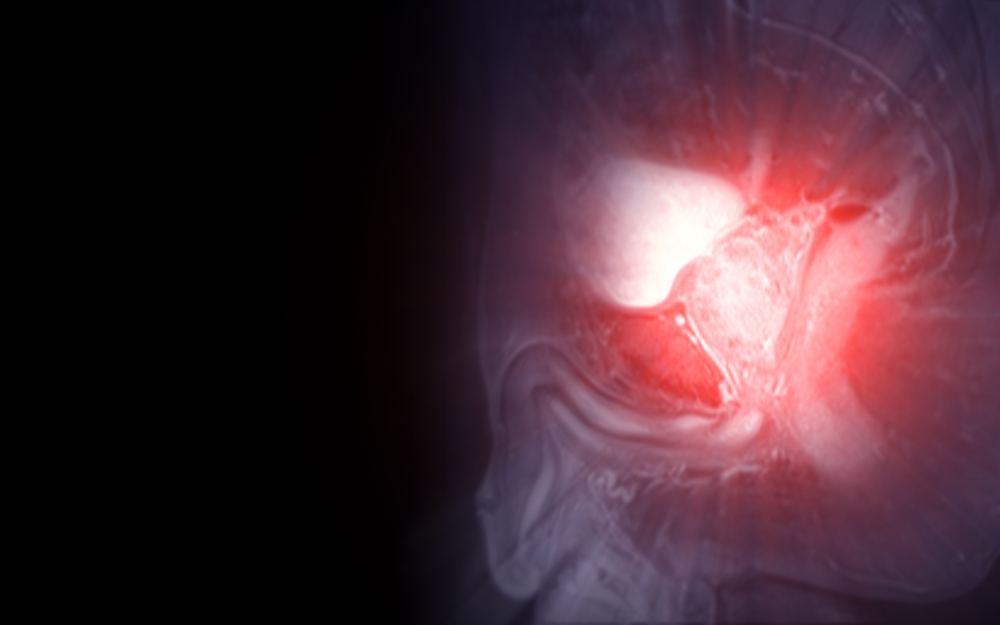
The words “MRI scan” can often bring to mind a long, noisy, and sometimes claustrophobic experience. For men on a prostate cancer screening journey, the thought of another complex medical procedure can add significant stress to an already anxious time. However, the world of medical imaging is evolving rapidly. A new, streamlined approach—the 15-minute non-contrast prostate MRI—is changing the landscape of prostate cancer detection, making it faster, safer, and more accessible than ever before.
This advanced scanning protocol, especially when paired with powerful artificial intelligence, provides a clear and detailed picture of the prostate without the need for injections or long scan times. It’s a major step forward in creating a more patient-friendly diagnostic process.
If your doctor has recommended a non-contrast prostate MRI, you likely have questions. What does “non-contrast” mean? How can a scan that once took up to an hour now be done in just 15 minutes? What will the experience be like? This guide will walk you through everything you need to know, from preparation to the moment you get your results, so you can approach your appointment with confidence and peace of mind.
Understanding the Technology: What is a Non-Contrast Prostate MRI?
To appreciate what makes the 15-minute non-contrast MRI so revolutionary, it helps to understand the basics of traditional prostate imaging.
The Old Standard: Multi-Parametric MRI (mpMRI)
For years, the gold standard in prostate imaging has been the multi-parametric MRI (mpMRI). This type of scan uses several different imaging techniques, or “parameters,” to create a comprehensive view of the prostate. A typical mpMRI includes:
- T2-weighted (T2W) Images: These provide a detailed anatomical map of the prostate gland, showing its structure, size, and any visible deformities.
- Diffusion-Weighted Imaging (DWI): This technique measures the movement of water molecules within tissue. In dense, cancerous tissue, water movement is restricted. DWI highlights these areas, making them stand out from healthy tissue.
- Dynamic Contrast-Enhanced (DCE) Imaging: This parameter involves injecting a gadolinium-based contrast agent into the patient’s bloodstream through an IV. The scanner then tracks how quickly the prostate tissue absorbs and releases the contrast dye. Cancerous tumors tend to have a richer blood supply, so they often “light up” faster and more intensely than benign tissue.
While effective, the traditional mpMRI has several drawbacks. The scan can take 45 to 60 minutes, which can be challenging for patients. More importantly, the use of a gadolinium-based contrast agent carries risks. Some patients may have allergic reactions, and those with poor kidney function cannot receive the dye. There is also growing evidence that small amounts of gadolinium can be retained in the body, leading to safety concerns for patients who may need multiple scans over time.
The New Approach: Biparametric MRI (bpMRI)
The 15-minute non-contrast prostate MRI is a biparametric MRI (bpMRI). As the name suggests, it uses only two of the three main parameters: the T2-weighted images and the Diffusion-Weighted Imaging (DWI). It completely omits the need for a contrast agent injection.
For a long time, it was believed that the contrast-enhanced (DCE) portion of the scan was essential for accurate diagnosis. However, extensive research and technological advancements have shown that for most diagnostic purposes, the combination of high-quality T2W and DWI scans provides the vast majority of the necessary information.
The Benefits of a Non-Contrast Approach
Eliminating the contrast agent offers immediate and significant benefits for the patient:
- Safer: It removes all risks associated with gadolinium, including allergic reactions, kidney complications, and long-term retention in the body. This makes the scan accessible to a much wider range of patients.
- Faster: Without the need to administer a contrast agent and wait for it to circulate, the scan time is drastically reduced. What used to take nearly an hour can now be completed in about 15 minutes.
- More Comfortable: A shorter scan time means less time spent inside the MRI machine, reducing feelings of claustrophobia and discomfort. It’s a much more tolerable experience.
- Less Expensive: By eliminating the costly contrast agent and reducing the time the MRI machine is in use, bpMRI scans are more cost-effective for the healthcare system.
This streamlined process is not just a minor improvement; it’s a fundamental shift that makes high-quality prostate imaging a viable option for widespread screening, not just for diagnosing men who already have a very high suspicion of cancer.
The Power of AI: Why a 15-Minute Scan is Now So Effective
You might wonder how a shorter scan that gathers less data can still be as accurate as the longer, traditional method. The answer lies in the incredible power of artificial intelligence.
While the T2W and DWI sequences contain a wealth of information, extracting and interpreting it accurately requires immense skill and experience. Subtle patterns that indicate cancer can be difficult for the human eye to discern. This is where AI platforms like Bot Image’s ProstatID™ become indispensable.
AI algorithms are trained on thousands of bpMRI scans that have been cross-referenced with biopsy results. Through a process called deep learning, the AI learns to identify the complex signatures of cancerous tissue with a level of precision and consistency that can exceed human capability.
Here’s how it works in practice:
- Your 15-minute non-contrast MRI is completed.
- The images are sent to the AI platform.
- In less than five minutes, the AI analyzes the T2W and DWI sequences, identifies any suspicious lesions, segments their exact boundaries, and assigns a risk score to each one.
- A report, including a color-coded map highlighting the lesions, is sent directly to the radiologist.
The AI effectively acts as a master interpreter, pulling out critical information from the bpMRI that might have been missed or misinterpreted. This AI-driven analysis is so powerful that it makes the data from the contrast-enhanced portion of the scan redundant in most cases. It boosts the diagnostic power of the bpMRI, ensuring that this faster, safer scan delivers results with exceptional accuracy. This advancement has had a profound impact on patients’ lives by providing quicker answers and reducing diagnostic uncertainty.
What to Expect: A Step-by-Step Patient Guide
Knowing what to expect can significantly reduce any anxiety you may feel about an upcoming medical procedure. Here is a detailed breakdown of the entire process for a 15-minute non-contrast prostate MRI.
Before Your Appointment
Preparation for a non-contrast prostate MRI is minimal and straightforward.
- Dietary Instructions: You may be asked to avoid eating or drinking for a few hours before your scan. This is primarily to reduce bowel activity, as movement in the intestines can create distortions (artifacts) on the MRI images, making them harder to read.
- Medication: You can typically continue taking all your prescribed medications as usual. Be sure to inform the imaging center staff of any medications you are on.
- Clearing the Bowel: Some centers may ask you to have a bowel movement before the scan or use a simple enema. An empty rectum allows for clearer images of the prostate, which sits directly in front of it.
- No Ejaculation: You will likely be instructed to refrain from ejaculation for 24 to 48 hours before the scan. This is because ejaculation can cause the seminal vesicles (glands connected to the prostate) to become inflamed, which can be mistaken for a suspicious area on the MRI.
- Metal and Implants: Before the day of your scan, you will be asked a series of questions about any metal in your body. Because an MRI uses a powerful magnet, it is crucial to identify any metallic implants, such as pacemakers, aneurysm clips, cochlear implants, or metal fragments from old injuries. Most modern joint replacements are MRI-safe, but you must inform the staff about them.
On the Day of Your Scan
- Arrival: Plan to arrive a little early to complete any necessary paperwork.
- Changing: You will be asked to change into a hospital gown. You must remove all metal objects, including jewelry, watches, hearing aids, glasses, and any clothing with metal zippers or buttons. A secure locker will be provided for your belongings.
- The IV Myth: Since this is a non-contrast MRI, you will not need an IV. This is a major point of relief for many patients who are nervous about needles. The procedure is completely non-invasive.
During the Scan
- Getting Positioned: A technologist will bring you into the MRI room and help you lie down on a padded table that slides into the scanner. You will be positioned on your back. To get the best possible images of the prostate, a device called a “pelvic phased-array coil” will be placed over your lower abdomen and pelvis. This is a lightweight blanket-like device that acts as an antenna to receive the MRI signal.
- No Endorectal Coil: It is important to note that modern prostate MRIs, especially with powerful 3T magnets, do not require an endorectal coil. This older technology involved inserting a probe with an inflatable balloon into the rectum, which many patients found very uncomfortable. Today’s external coils provide excellent image quality without this invasive component.
- Entering the Scanner: The technologist will slide the table into the center of the large, doughnut-shaped MRI machine. The scanner is open on both ends. You will be given headphones to block out the noise and a call button to press if you need to speak with the technologist at any time. The technologist will be in an adjacent room, able to see and hear you throughout the entire scan.
- The Noises: An MRI machine makes a series of loud, repetitive noises as it captures images. These can sound like loud banging, buzzing, or clicking. The headphones will help muffle the sound, and you can often listen to music to help you relax. The key is to remember that these noises are a normal part of the machine’s operation.
- Staying Still: The most important thing you need to do during the scan is to lie as still as possible. Even small movements can blur the images and make them difficult for the AI and the radiologist to interpret. The technologist will remind you when a sequence is about to start and when it is critical to hold very still.
- The 15-Minute Process: The entire imaging process will take about 15 minutes. The technologist will communicate with you through the headphones, letting you know how much time is left. Many patients close their eyes, focus on their breathing, and find the time passes quite quickly.
After the Scan
- No Recovery Time: Once the scan is complete, the table will slide out of the machine. Because there was no contrast agent and no sedation, there is no recovery period. You can get dressed immediately and go about your day as normal. You can eat, drink, and drive without any restrictions.
- Getting Your Results: The MRI images will be sent for analysis. If your provider uses an AI tool like ProstatID™, the AI-assisted report may be available to the radiologist within minutes. The radiologist will then formally review the scans and the AI report before sending a final interpretation to your referring doctor (your urologist or primary care physician).
- The Follow-Up: Your doctor will schedule a follow-up appointment to discuss the results with you. They will explain what the MRI showed and what the next steps should be. A clear scan can provide immense relief, while a scan showing a suspicious lesion will lead to a discussion about a targeted biopsy. This is often a critical time for family and caregivers to be involved, and resources for caregivers can help them understand the results and support you in the next phase of your care.
Conclusion: A Patient-First Approach to Prostate Health
The 15-minute non-contrast prostate MRI represents a major leap forward in making prostate cancer screening a more humane and effective process. By eliminating the need for IV contrast and significantly shortening the scan time, it removes many of the physical and psychological barriers that once made patients anxious about MRI.
This faster, safer, and more comfortable procedure offers a powerful way to gain critical information about your prostate health. When combined with the analytical power of artificial intelligence, it delivers a level of diagnostic accuracy that empowers you and your doctor to make the best possible decisions. It allows many men to safely avoid unnecessary biopsies while ensuring that those who do need further investigation receive a precise, targeted, and effective diagnosis.
If you are on a prostate health journey, knowledge is your greatest asset. Understanding what a non-contrast MRI involves—a quick, painless, and non-invasive imaging session—can transform your perspective from one of apprehension to one of empowerment. You can be confident that you are benefiting from the cutting edge of medical technology, designed with your safety, comfort, and well-being as the top priority.
Pioneering Cancer Detection with AI and MRI (and CT)
At Bot Image™ AI, we’re on a mission to revolutionize medical imaging through cutting-edge artificial intelligence technology.
Contact Us