

Blog
Why AI-Enabled MRI Is Becoming Standard in Concierge and Precision Medicine Clinics

In the exclusive world of concierge medicine, “standard of care” is a starting point, not the goal. Patients who opt for concierge or precision medicine services are not looking for the average; they are investing in the exceptional. They expect proactive health management, hyper-personalized treatment plans, and access to the most advanced diagnostic technologies available.
For years, this meant offering longer appointment times, genetic testing, and 24/7 access to physicians. However, a new frontier has emerged that is redefining what premium healthcare looks like: AI-enabled MRI.
This technology is no longer a futuristic novelty; it is rapidly becoming a baseline expectation in high-end clinics. By integrating artificial intelligence into magnetic resonance imaging, forward-thinking practices are unlocking a level of diagnostic clarity that was previously impossible. From detecting cancers at their earliest, most treatable stages to providing deep insights into metabolic health, AI-enabled MRI is the engine driving the next generation of concierge healthcare innovation.
This article explores why this technology has moved from “nice-to-have” to “must-have” for clinics dedicated to precision medicine, and how it is delivering on the promise of truly personalized healthcare.
The Concierge Promise: Precision, Prevention, Peace of Mind
To understand the rapid adoption of AI in this sector, we must first look at the unique value proposition of concierge medicine. Unlike traditional fee-for-service models, which often operate on volume and reactive care (treating illness after it appears), concierge medicine is built on value and proactive care (preventing illness before it starts).
Moving Beyond “Wait and See”
The traditional healthcare model often employs a “wait and see” approach to ambiguous findings. A slightly elevated PSA level or a vague shadow on an X-ray might result in a recommendation to “check back in six months.” For a patient paying a premium for concierge care, this is unacceptable. They are paying for answers, not ambiguity.
Precision medicine demands actionable data. It requires tools that can look deeper than standard diagnostics. AI algorithms, trained on vast datasets of pathology-verified images, provide this depth. They can identify subtle radiomic features—patterns invisible to the naked eye—that indicate the very earliest genesis of disease. This allows the concierge physician to intervene when the problem is microscopic, rather than macroscopic.
The Expectation of Technology
High-net-worth individuals and those prioritizing their health often use technology in every other aspect of their lives—from smart homes to algorithmic investment strategies. They instinctively understand that data drives better decision-making. When they walk into a clinic, they expect their medical care to be just as data-driven.
An MRI machine without AI is like a smartphone without apps—it has potential, but it isn’t smart. An AI-enabled MRI transforms the scanner from a camera into a computational diagnostic engine. It signals to the patient that the clinic is leveraging the absolute best tools to protect their health.
Elevating Diagnostic Accuracy with AI
The core benefit of AI in any medical setting is improved accuracy. In the high-stakes environment of precision medicine, where a missed diagnosis can be devastating, this accuracy is paramount.
The “Second Reader” Safety Net
Even the best radiologists are human. Fatigue, distraction, and the sheer volume of images in a modern MRI study (often hundreds of slices) can lead to errors. In a high-volume hospital, a “miss rate” of 3-5% might be statistically accepted. In a concierge practice, the goal is zero.
AI acts as a relentless “second reader.” It scans every pixel of the MRI study, cross-referencing findings against thousands of known cases. If the AI detects a suspicious lesion—for example, in the prostate, breast, or brain—it flags it for the radiologist to review.
For prostate health specifically, tools like ProstatID™ are revolutionizing how men are screened. By marking suspicious regions and assigning them a risk score, the AI ensures that subtle, high-grade cancers aren’t overlooked amidst benign conditions like BPH. This level of rigor provides the “peace of mind” that concierge patients crave.
Reducing False Positives
Equally important to finding disease is knowing when disease is not present. False positives—where a scan suggests cancer when there is none—lead to unnecessary biopsies, anxiety, and physical trauma.
In the concierge world, unnecessary procedures are a failure of the system. Patients want to avoid needles and surgeries unless absolutely necessary. AI helps “down-call” benign lesions that might look suspicious to the human eye but lack the specific radiomic signatures of cancer. This specificity saves patients from the “cascade of care” that often plagues traditional medicine, protecting them from iatrogenic harm (harm caused by medical treatment itself).
Personalization: The Heart of Precision Medicine
Precision medicine is defined by the customization of healthcare, with medical decisions, practices, and products being tailored to the individual patient. AI is the key that unlocks this level of customization in imaging.
Quantitative vs. Qualitative
Traditional radiology reports are largely qualitative. They use terms like “mild,” “moderate,” “suspicious,” or “unremarkable.” While useful, these terms are subjective. One doctor’s “mild” is another doctor’s “moderate.”
AI-enabled MRI shifts the paradigm to quantitative diagnostics. It measures organ volume, lesion size, and tissue density with mathematical precision. It can calculate the exact volume of a prostate gland or the growth rate of a nodule down to the millimeter.
This data allows for longitudinal tracking. Instead of a doctor guessing if a condition has worsened, the AI can overlay today’s scan on last year’s scan and calculate the exact percentage of change. This is the essence of personalized monitoring—tracking the specific biological trajectory of one individual over time.
Tailored Screening Protocols
Not every patient needs the same MRI protocol. A 50-year-old male with a family history of prostate cancer needs a different level of scrutiny than a 40-year-old with no risk factors. AI can help tailor screening protocols.
For example, AI risk assessments can help determine who needs a contrast-enhanced MRI versus who can safely undergo a shorter, non-contrast “biparametric” scan. This tailoring respects the patient’s time and body, exposing them to less gadolinium contrast while still ensuring diagnostic safety.
Enhancing the Patient Experience
In concierge medicine, the “experience” is a clinical outcome in itself. If a patient feels heard, understood, and comfortable, they are more likely to comply with treatment plans and remain loyal to the practice.
Visualizing Health
One of the biggest barriers in doctor-patient communication is the “language gap.” Doctors speak in Latin and anatomy; patients speak in symptoms and fears. Showing a patient a grayscale MRI slice often does little to bridge this gap. It looks like static to the untrained eye.
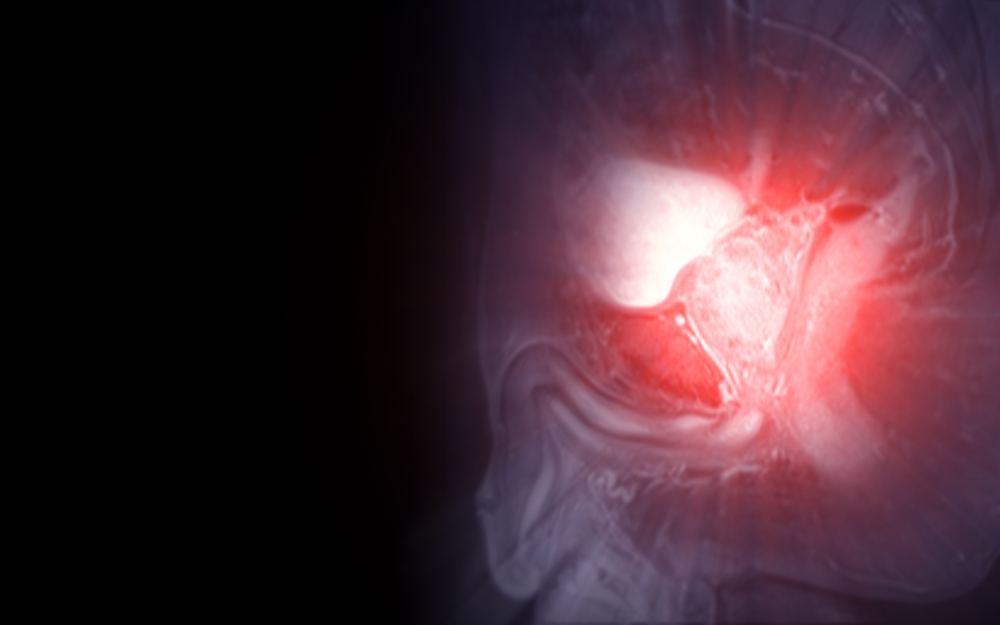
AI bridges this gap through advanced visualization. Platforms like ProstatID™ can generate color-coded heat maps and 3D renderings of the anatomy. Suddenly, the diagnosis is visible. A doctor can turn the screen to the patient and say, “See this red area? That is the target. See all this green? That is healthy tissue we want to preserve.”
This visual clarity is empowering. It makes the patient an active partner in their care. In a concierge setting, where deep physician-patient relationships are the norm, these visual tools are invaluable for education and trust-building.
Speed and Convenience
Concierge patients value their time highly. They do not want to wait days or weeks for results. The anxiety of the “waiting game” is a major pain point in healthcare.
AI dramatically accelerates the reading workflow. By pre-analyzing images and automating measurements, AI tools allow radiologists to read studies faster without sacrificing accuracy. This enables clinics to offer “same-day results” or rapid reporting. A patient can have their scan in the morning and sit down with their physician in the afternoon to review the AI-annotated images. This efficiency is a hallmark of premium service.
Operational Efficiency for the Boutique Clinic
While the patient benefits are clear, the business case for AI-enabled MRI in concierge clinics is equally strong. These practices often operate with leaner staff than major hospitals, meaning efficiency is critical.
Doing More with Less
A concierge clinic might not have a team of ten sub-specialist radiologists on staff. They might rely on a smaller group or teleradiology partners. AI empowers generalist radiologists to perform at a sub-specialist level.
For instance, reading a prostate MRI is notoriously difficult and usually requires fellowship training. An AI assistant that highlights suspicious areas helps a competent radiologist read these complex cases with the confidence of an expert. This allows the clinic to keep more services “in-house” rather than referring patients out to large, impersonal hospital systems.
Attracting Top Talent
Top-tier physicians want to work with the best tools. By investing in concierge healthcare innovation like AI, clinics attract forward-thinking doctors who want to practice at the cutting edge of medicine. It becomes a recruitment tool, signaling that the clinic is committed to excellence and is not afraid to invest in the future.
We are already seeing this trend expand. To see where the technology is heading next, explore our insights on Future Applications, which detail how AI will soon impact areas beyond oncology, including neurological and cardiovascular health.
Case Study: The Executive Physical
The “Executive Physical” is a staple of concierge medicine—a comprehensive, day-long battery of tests designed to give a busy executive a complete snapshot of their health. Historically, this included blood work, a treadmill stress test, and perhaps a chest X-ray.
Today, the premium Executive Physical includes whole-body or targeted MRI screening.
The Old Way
The executive undergoes a standard MRI. The report comes back three days later: “Nonspecific findings in the prostate. Recommend correlation with PSA.” The executive leaves with more questions than answers.
The AI-Enabled Way
The executive undergoes an AI-enhanced MRI. The images are processed instantly by the cloud-based AI. The report is ready by the time they finish their stress test.
The concierge physician sits down with the executive. “The AI analysis of your prostate MRI shows a low risk score of 2 out of 10. The ‘nonspecific findings’ are actually typical benign hyperplasia, which the AI has quantified. Here is the 3D map showing your prostate volume is stable compared to last year. You are clear.”
The executive leaves with a definitive answer, visual proof, and zero anxiety. That is the difference AI makes.
Marketing the High-Tech Advantage
For concierge clinics, marketing is about differentiation. Why should a patient pay a retainer fee when they have insurance? The answer is access to superior care.
Promoting AI-enabled MRI capabilities is a powerful differentiator. It tells a story of investment, safety, and modernity.
“Technology That Watches Over You”
Clinics can market AI as a “digital guardian” that never sleeps and never misses a detail. This resonates with patients who are fearful of medical errors.
“Precision, Not Guesswork”
Marketing campaigns can focus on the quantitative nature of AI. “We don’t guess about your health; we measure it.” This appeals to the analytical mindset of the target demographic.
Real-world success stories bolster this marketing. Seeing how these tools impact actual lives creates an emotional connection. You can read compelling stories of patient outcomes on our Discover Our Impact page.
The Future: Integrating Genomics and Radiomics
The holy grail of precision medicine is the integration of all patient data—genetic, metabolic, and radiologic. AI is the bridge that will connect these silos.
In the near future, concierge clinics will use AI to correlate a patient’s genetic risk factors (like a BRCA mutation) with their radiomic phenotype (the appearance of their tissue on MRI). The AI might flag a “suspicious” area on a breast or prostate MRI more aggressively if it knows the patient has a genetic predisposition.
This holistic view—where the software “knows” the patient’s genetics while looking at their anatomy—is the ultimate realization of personalized care. Concierge clinics, with their focus on comprehensive data, will be the first to deploy these integrated models.
Overcoming Skepticism
Despite the benefits, some patients or traditionalist physicians may view AI with skepticism. “I want a doctor, not a computer,” is a common refrain.
It is crucial for concierge clinics to frame AI correctly. It is not a replacement; it is a tool. It is the “autopilot” that allows the pilot (the doctor) to focus on the flight plan and the passengers.
Transparency is key. Physicians should explain, “I review every image personally, but I use this advanced AI software to double-check my work and ensure we measure everything down to the millimeter.” When framed as a safety enhancement, patient acceptance is nearly universal.
Conclusion: The New Baseline for Excellence
The definition of luxury in healthcare is changing. It is no longer just about marble floors, valets, and shorter wait times. True luxury is the luxury of certainty. It is the knowledge that the best technology on the planet is being used to safeguard your health.
AI-enabled MRI provides that certainty. It aligns perfectly with the mission of concierge and precision medicine clinics: to provide proactive, personalized, and precise care.
As this technology becomes more accessible, it will cease to be a differentiator and become a standard. The clinics that adopt it now are the pioneers, establishing themselves as the true leaders in concierge healthcare innovation. They are proving that in medicine, the best human care is now powered by machine intelligence.
For clinics looking to elevate their standard of care, the path forward is clear. Embracing tools like ProstatID™ is not just an investment in software; it is an investment in the trust and well-being of every patient who walks through the door.
Key Takeaways for Concierge Medicine Leaders
- Certainty Sells: Patients pay for answers. AI converts ambiguous gray-scale images into definitive, data-backed risk assessments.
- Visuals Build Trust: Use AI-generated 3D maps and heat maps to explain diagnoses to patients. It demystifies the medicine and strengthens the physician-patient bond.
- Speed is a Service: Leverage AI workflow acceleration to offer “same-day results,” a highly valued perk in the concierge market.
- Sub-Specialist Expertise: AI allows generalist radiologists to read with the confidence of sub-specialists, keeping care in-house and consistent.
- Future-Proofing: Adopting AI infrastructure now prepares the clinic for the coming convergence of genomics and radiomics.
By making AI a central pillar of your diagnostic suite, you are not just keeping up with the times; you are setting the pace for the future of personalized medicine.
Pioneering Cancer Detection with AI and MRI (and CT)
At Bot Image™ AI, we’re on a mission to revolutionize medical imaging through cutting-edge artificial intelligence technology.
Contact Us